
Introduction to Versailles Palace
Versailles Palace, or Château de Versailles, stands as a quintessential representation of France’s royal history and architectural grandeur. Located approximately twelve miles southwest of Paris, the palace was initially a hunting lodge for King Louis XIII in the early 17th century. However, it was under the reign of his son, Louis XIV, that the estate was transformed into the magnificent symbol of absolute monarchy that it is known for today. Completed in the late 17th century, Versailles Palace not only served as the royal residence but also the political center of the Kingdom of France.
The historical significance of Versailles Palace is multifaceted. It embodies the peak of French art and architecture during the Baroque period, with its opulent rooms, vast gardens, and stunning fountains reflecting the extravagance of the French monarchy. Louis XIV, often referred to as the ‘Sun King,’ envisioned Versailles as a testament to his power and an instrument to centralize authority, distancing himself from the influence of the nobility in Paris. The palace is a showcase of art, with renowned works from artists such as Charles Le Brun and André Le Nôtre enhancing its beauty and prominence.
Visitors are drawn to Versailles not only for its rich historical significance but also for its breathtaking aesthetics and expansive gardens. The estate’s grand Hall of Mirrors, the Royal Apartments, and the meticulously landscaped grounds invite exploration and enchantment. A trip to Versailles Palace offers a glimpse into the elaborate lifestyle of the French monarchy while providing context to the political tumult that ultimately led to the French Revolution. Hence, it stands as a pivotal site for understanding French history and culture, making it an essential destination for travelers exploring the enchanting region surrounding Paris.
Getting to Versailles: Transportation Options
Visiting the magnificent Palace of Versailles from Paris is an inspiring day trip that is easily accessible through various transportation options. One of the most popular and efficient ways to reach Versailles is by using the RER train. The RER C line provides a direct connection from central Paris to the Versailles-Rive Gauche station, which is approximately a 10-minute walk from the palace. Travelers can conveniently board the RER train at stations such as Saint-Michel, Musée d’Orsay, or Austerlitz, making it accessible from various parts of the city. It is advisable to check the timetable in advance, as the frequency of service may vary throughout the day, particularly on weekends and public holidays.
Alternatively, visitors have the option of taking the bus. Routes 171 departs from Pont de Sèvres metro station and takes travelers directly to the Palace of Versailles. This method of transportation is generally more affordable than the train, though it may take a bit longer due to traffic conditions. It is prudent to leave early in the day when using bus services to avoid congestion and ensure ample time to explore the palace grounds.
For those who prefer a guided experience, numerous tour operators offer packages that include transportation from Paris to Versailles. These tours often encompass guided visits of the palace and gardens, providing insights into its rich history and architecture. They are particularly recommended for first-time visitors who wish to maximize their day trip with expert commentary.
In addition to transportation mode, timing is crucial when visiting the Palace of Versailles. To avoid large crowds, it is beneficial to visit during weekdays and arrive early in the morning. This allows for a more enjoyable experience of exploring the stunning gardens and opulent interiors at a leisurely pace.
Exploring the Palace Interior
The interior of the Palace of Versailles is a masterpiece that reflects the grandeur and opulence of the French monarchy. Visitors to this iconic royal residence are often captivated by its elaborate decor and historic significance. Among the most remarkable areas of the palace is the Hall of Mirrors, or “Galerie des Glaces.” This expansive gallery features 357 mirrors that line the walls, creating an illusion of endless space. The hall not only served as a passageway between the King’s apartments and the gardens but also as a venue for significant events and gatherings, including the signing of the Treaty of Versailles in 1919.
Another highlight within the palace is the King’s Apartments, which exemplify the ultimate luxury of 17th-century French living. Each room is adorned with intricate gold leaf, stunning paintings, and delicate tapestries. The King’s Bedroom, in particular, is a sight to behold, with its grand four-poster bed and ceiling painted by the famous artist Charles Le Brun. This room held immense ceremonial importance, showcasing the power and status of the king.
The Queen’s Apartments, located nearby, offer a stark contrast to the King’s lavish decor, embracing a more feminine aesthetic. The Queen’s Bedroom, with its soft colors and elegant furnishings, evokes a sense of intimacy and grace. These rooms contain exquisite art pieces and historical artifacts that give insight into the lives of the royal family, highlighting the blend of art and architecture that defines Versailles.
As guests wander through these breathtaking spaces, they are transported to a time of grandeur and elegance. The lavish decor, stunning artwork, and historical artifacts that populate the palace’s interior all contribute to the rich narrative of French royalty and history, reinforcing Versailles’ status as a cultural and architectural landmark.
Strolling Through the Gardens of Versailles
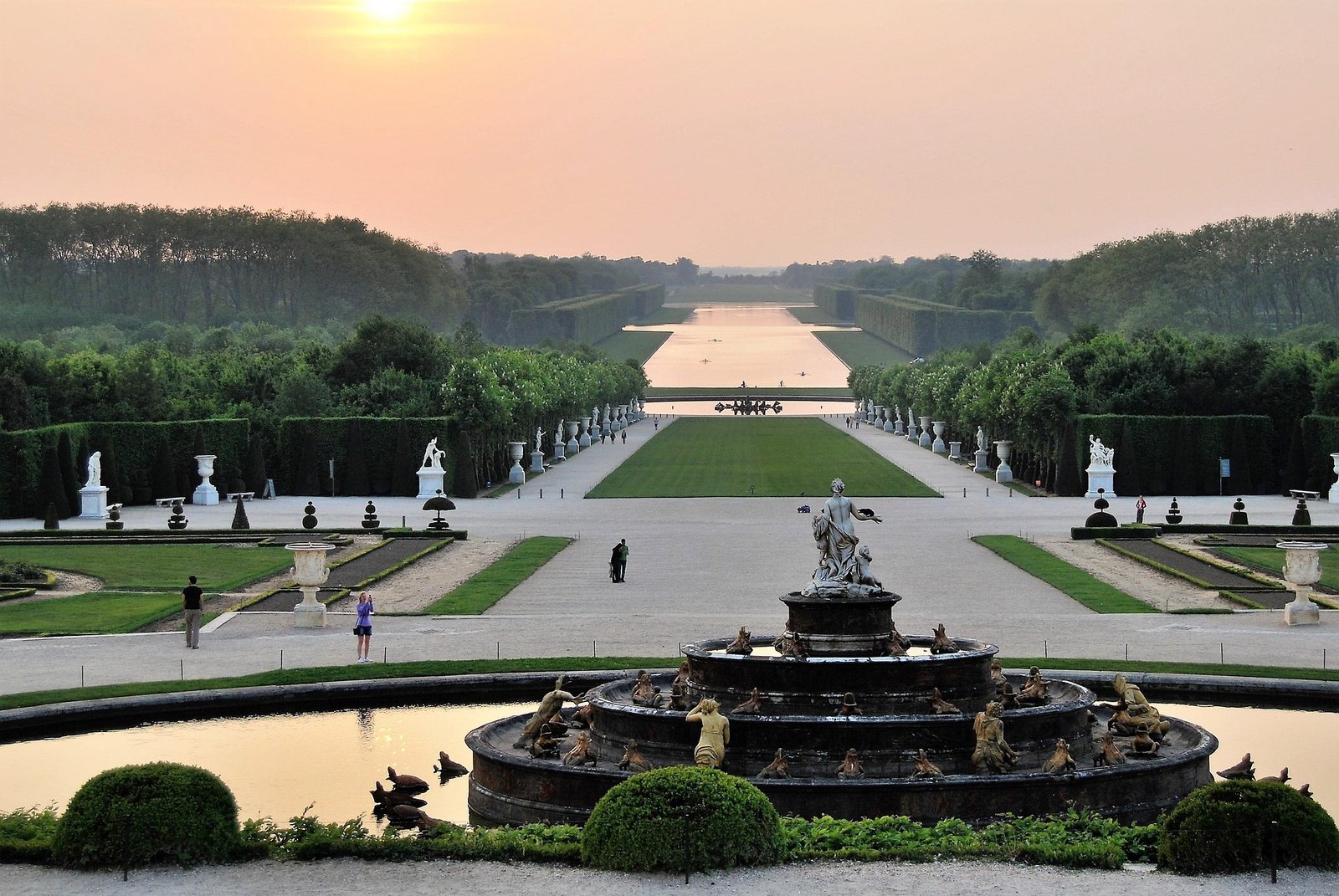
The Gardens of Versailles, a hallmark of French formal garden design, were masterfully crafted by the landscape architect André Le Nôtre in the 17th century. Spanning over 800 hectares, these meticulously designed gardens enchant visitors with their grandeur and elegance. As guests enter the gardens, they are greeted by the symmetrical layout, which is a hallmark of the Baroque style, characterized by geometric patterns and carefully curated plant arrangements.
One of the standout features of the Gardens of Versailles is the vast array of fountains that punctuate the landscape. Among these, the Apollo Fountain and the Latona Fountain are particularly notable. The Apollo Fountain, for example, showcases stunning sculptures that celebrate the sun god, symbolic of King Louis XIV’s reign. The vibrant splashes of water, combined with the lavish sculptures, create an idyllic atmosphere that draws visitors to pause and admire the craftsmanship.
As you stroll through these expansive grounds, various pathways lead you through themed gardens, such as the Parterre d’Eau and the Parterre de Rohan. Each garden offers a unique glimpse into the horticultural visions of the time, with vibrant flower beds and intricate hedges. The Allée des Cèdres, lined with majestic cedar trees, presents a stunning setting for leisurely walks. Additionally, the Orangerie, which houses a remarkable collection of citrus trees, provides a stunning contrast with its seasonal displays.
Must-see spots within the gardens include the Grand Canal and the Triangle de l’Eau, where visitors can enjoy serene reflections of the sky on the water’s surface. Whether you are an avid horticulturist or simply seeking a picturesque backdrop, the Gardens of Versailles offer a rich tapestry of beauty waiting to be explored. Make sure to allow ample time to absorb the intricacies of this landscape marvel, as it truly encapsulates the splendor of French royal heritage.
Visiting the Trianon Palaces
The Trianon Palaces, comprising the Grand Trianon and Petit Trianon, offer visitors a more intimate glimpse into the lavish lifestyle enjoyed by French royalty during the 17th and 18th centuries. Nestled within the sprawling grounds of the Palace of Versailles, these two smaller palaces were designed to provide a retreat for the royal family away from the formality of court life. Their unique architectures reflect different styles and periods, contributing to their historical significance in the context of French art and culture.
The Grand Trianon, completed in 1687, is a masterpiece designed by architect Jules Hardouin-Mansart. This elegant building, adorned with pink marble and featuring expansive gardens, represents the French Baroque style. Visitors are often taken by its harmonious integration with nature, creating a serene atmosphere characterized by its stunning colonnades and fountains. This setting served as a refuge for King Louis XIV and his guests, where they could enjoy leisurely pursuits amidst a backdrop of exquisite gardens, designed by André Le Nôtre.
On the other hand, the Petit Trianon, commissioned by Louis XV for Madame de Pompadour and later gifted to Marie Antoinette, exudes a distinct charm and intimacy. Completed in 1768, it showcases a more neoclassical architectural style, emphasizing purity and proportion. Visitors to the Petit Trianon can explore its charming interiors, which reflect the personality and tastes of Marie Antoinette, as well as its picturesque landscape featuring quaint garden designs, including a rustic village. This contrast between the grandeur of the Grand Trianon and the idyllic charm of the Petit Trianon captivates visitors, providing them with diverse experiences within the historical framework of Versailles.
Dining Options Near Versailles
After an enriching visit to the magnificent Palace of Versailles and its expansive gardens, one may wish to explore dining options nearby that complement the rich experience of the royal residence. Fortunately, the area around Versailles offers a variety of cafes, restaurants, and picnic spots to cater to diverse tastes and preferences.
For those seeking a casual atmosphere, local cafes provide the perfect setting to unwind. Notable establishments such as Le Café des Arts and La Petite Venise serve traditional French fare in delightful surroundings. Le Café des Arts, located just a short walk from the palace, is known for its comfortable ambiance and offers a delicious selection of pastries, sandwiches, and light meals, making it an ideal stop for a quick bite. La Petite Venise, set within the park, boasts a charming terrace and specializes in artisanal pizzas and seasonal dishes.
Alternatively, travelers interested in a more formal dining experience may opt for one of the restaurants situated slightly further afield. Les Trois Marches is a Michelin-starred restaurant that presents an exquisite menu crafted from locally sourced ingredients. With its elegant decor and attentive service, it provides a remarkable dining experience that allows guests to indulge in traditional French cuisine while overlooking the grandeur of Versailles.
For those who prefer a leisurely lunch amid nature, multiple picnic spots are available within the palace grounds. Visitors can pack a gourmet picnic or purchase takeaway meals from nearby shops. The gardens, especially near the Grand Canal, make for an idyllic backdrop for enjoying a meal al fresco, allowing for a peaceful interlude before or after the royal tour.
In summary, whether you prefer a casual meal, a fine dining experience, or an outdoor picnic, the area around Versailles offers a well-rounded selection of dining options to enhance your visit to this iconic royal residence.
Tips for a Successful Day Trip
Visiting the magnificent Versailles Palace requires careful planning to ensure an enriching experience. Firstly, consider your attire; comfortable and weather-appropriate clothing is essential. The sprawling gardens and numerous rooms of the palace involve a fair amount of walking, so opt for sturdy shoes. In the summer months, lightweight outfits will help you stay cool, while layers are advisable during colder seasons. Additionally, if you plan to explore the gardens, a hat and sunscreen are recommended to protect against sun exposure.
As for visitor guidelines, arrive early to avoid the crowds. The palace gets particularly busy during peak tourist seasons, and an early start offers a more intimate glimpse of its grandeur. Pre-purchasing tickets online can also save you from long queues. Familiarize yourself with the layout of the palace and its vast grounds. Understanding where you want to focus your time can help in maximizing your visit. Allocate sufficient time for key attractions such as the Hall of Mirrors, the King’s Grand Apartments, and the stunning gardens.
Time management is crucial to experience all that Versailles has to offer. Consider joining guided tours that provide in-depth knowledge and insights into the history of the palace, enhancing your understanding of this royal residence. Utilizing maps available on-site can help navigate through the extensive area efficiently. Be mindful of the time as you explore; setting a personal schedule can prevent you from getting lost or spending too long in one location. Remember to check the palace’s official website for information on exhibition times and any special events that may affect your visit.
Cultural and Historical Significance of Versailles
The Palace of Versailles stands as an iconic symbol of the French monarchy and is a testament to the grandeur of 17th-century architecture. Originally built for King Louis XIV, it transformed from a hunting lodge into a magnificent royal residence, articulating the absolute power of the king during his reign. The opulence of Versailles is not merely a showcase of royal luxury; it embodies the complexities of French history, cultural evolution, and political shifts that have defined France over the centuries.
One of the most significant events associated with the palace is the signing of the Treaty of Versailles in 1919. This treaty marked the formal end of World War I and imposed heavy reparations and territorial changes on Germany. The choice of Versailles as the location for the treaty was emblematic; it represented not only a new beginning for France after the ravages of war but also a desire to assert France’s dominance on the global stage. Thus, the palace serves as a backdrop for both celebration and sorrow—an enduring reminder of France’s tumultuous history.
The cultural legacy of Versailles extends beyond its political relevance. The palace and its gardens are masterpieces of art and landscape design, reflecting the artistic achievements of the period. The Hall of Mirrors, for example, stands as a hallmark of Baroque architecture, its grandiose design creating a sense of awe and splendor. Additionally, the gardens, designed by André Le Nôtre, encapsulate the French formal garden style, influencing landscape architecture worldwide. Through these artistic contributions, Versailles continues to inspire countless visitors and artists alike, underscoring its importance in both cultural and historical narratives.
Today, the Palace of Versailles is a UNESCO World Heritage site, attracting millions of tourists each year. It remains a crucial point of interest for those seeking to understand not only the decadence of the French monarchy but also the pivotal events that shaped modern Europe. The palace’s role in history and culture makes it a significant landmark, ensuring its prominence in the collective memory of France and the world.
Conclusion: The Experience of Versailles
Visiting Versailles Palace is an unforgettable experience that transcends mere sightseeing; it immerses visitors in the rich tapestry of French history, art, and architecture. This iconic royal residence, once the heartbeat of the French monarchy, continues to captivate the imagination with its grandeur. From the moment you step through the gilded gates, the expansive gardens and opulent interiors provide a glimpse into the lives of the kings and queens who once resided here.
Among the key highlights of a trip to Versailles are the magnificent Hall of Mirrors, where reflections of lavish chandeliers dance upon gilded walls, and the meticulously manicured gardens, which feature an array of fountains and sculptures that echo the artistry of the era. These elements together create an atmosphere that feels almost dreamlike, allowing visitors to momentarily step back in time. Furthermore, the palace’s diverse exhibitions and cultural events offer a dynamic experience that showcases its relevance in contemporary times.
Moreover, understanding the significance of Versailles as a UNESCO World Heritage site adds another layer of appreciation. The palace not only stands as a symbol of the excesses of royal life but also reflects the tumultuous history that shaped modern France. As you navigate its halls and grounds, you can almost hear the whispers of history, enhancing the overall experience. Whether wandering alone or part of a guided tour, each visit to Versailles imparts new insights and inspirations.
In summary, a day trip to Versailles Palace is more than a mere excursion; it is an opportunity to connect with the past while enjoying the beauty that has endured for centuries. This extraordinary site remains a must-visit destination, inviting travelers to explore its enchanting corridors and lush landscapes. Plan your trip to Versailles today, and create your own memorable experience at this historic landmark.
Comments are closed