
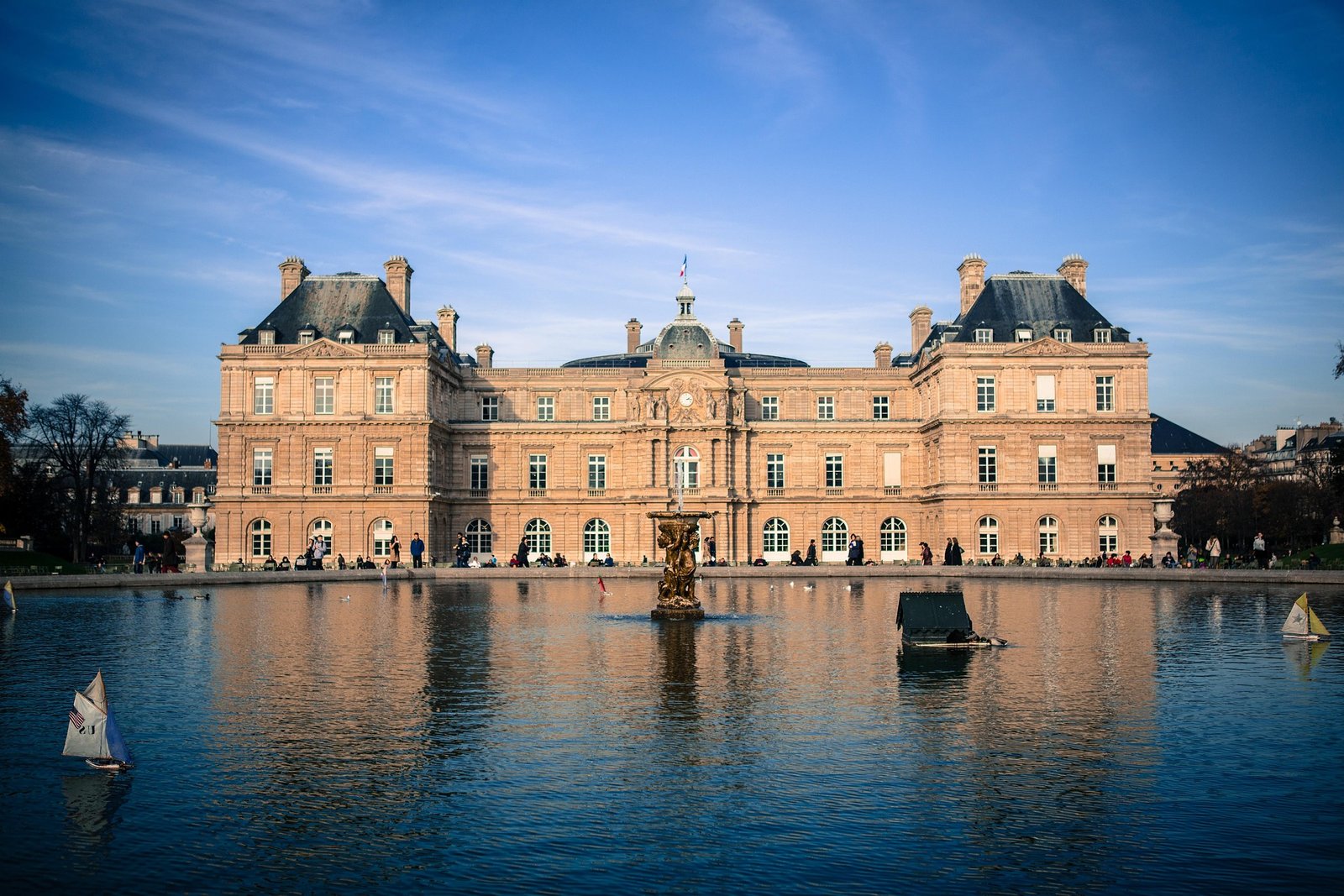
Introduction to Luxembourg Gardens
The Luxembourg Gardens, or Jardin du Luxembourg, is one of the most enchanting parks located in the heart of Paris. Nestled in the 6th arrondissement and near the renowned Latin Quarter, this historic garden spans over 25 hectares and serves as a tranquil oasis amidst the bustling city. Established in 1612 at the behest of Marie de’ Medici, the widow of King Henry IV, the gardens were designed to complement the Luxembourg Palace, which is now the seat of the French Senate. The design of the gardens has evolved over the centuries, reflecting various artistic movements and landscaping trends.
Visitors to the Luxembourg Gardens are not just treated to a vibrant display of flora but also a glimpse into Paris’s rich history and culture. The formal paths lined with chestnut trees, the meticulously manicured lawns, and the picturesque flowerbeds offer a perfect setting for leisurely strolls or quiet contemplation. Statues, fountains, and ornamental ponds pepper the landscape, adding to the visual charm of this hidden gem. The garden’s centerpiece, the grand pond, often draws the attention of families and children who enjoy sailing miniature boats on its calm waters.
In addition to their natural beauty, the Luxembourg Gardens also house a number of notable features, including the Medici Fountain, a stunning neoclassical water feature that stands as a tribute to the Italian Renaissance. These gardens also serve as a cultural hub, hosting art exhibitions and various events throughout the year. This blend of natural splendor and historical significance makes the Luxembourg Gardens an unrivaled experience for both locals and tourists. As one of Paris’s best-kept secrets, it invites visitors to immerse themselves in the serene ambiance away from the city’s frenetic pace.
A Brief History of the Gardens
The Luxembourg Gardens, located in the heart of Paris, boast a rich and storied history that dates back to the early 17th century. Commissioned by Marie de’ Medici, the widow of King Henry IV, the garden was originally designed to resemble the gardens of her childhood home in Florence, Italy. This transformation of the landscape aimed to provide a serene and picturesque retreat for Marie, reflecting her desire for a personal haven amidst the bustling city.
Initially, the Luxembourg Gardens were solely intended for the queen’s use. However, as time progressed, the garden opened its gates to the public, evolving its purpose from a private royal domain to a public space meant for leisure and relaxation. Over the decades, various modifications and enhancements were made to the garden’s design. Notable landscape architects, including Jean-Nicolas Forestier, played key roles in reimagining the gardens in the early 20th century, incorporating elements of contemporary French landscaping that further enriched its beauty and accessibility.
The gardens have also served as an essential backdrop for significant historical events. They witnessed numerous cultural and political gatherings, reflecting the shifting tides of French history. They became a focal point during the French Revolution, where ideas were exchanged, and civic life flourished within its grounds. Today, the Luxembourg Gardens not only serve as a symbol of Parisian elegance but also represent a narrative interwoven with the cultural and political evolution of France. The harmonious blend of natural beauty and historical significance continues to attract visitors from around the world, solidifying the gardens’ status as a cherished landmark in the heart of Paris.
Stunning Landscapes and Design
The Luxembourg Gardens are a remarkable example of landscaped beauty, reflecting the meticulous design and artistic vision that have gone into their creation. Spanning over 25 hectares, this enchanting park features a variety of formal gardens, expansive lawns, and a diverse range of flora that captivates every visitor. The carefully curated plant life provides a picturesque setting that serves as an oasis amidst the urban hustle of Paris.
As visitors wander through the gardens, they are greeted by an array of vibrant flowerbeds that bloom in a rich tapestry of colors throughout the seasons. The arrangement of these flowerbeds is intentional, contributing to the overall aesthetic harmony of the space. These floral displays are complemented by the meticulously maintained lawns, which invite guests to relax and unwind, appreciating the serene environment.
In addition to the plant life, the garden’s design includes stunning fountains and sculptures that enhance its artistic appeal. The Medici Fountain, a notable landmark within the gardens, captures the attention of many with its striking design, featuring a blend of Renaissance and Baroque elements. This iconic fountain, alongside others scattered throughout the park, not only serves as a focal point but also reflects the elegance of the overall landscape.
Moreover, the interactive nature of the Luxembourg Gardens encourages visitors to engage with the space. The strategically placed benches offer ideal spots for relaxation, while the tree-lined pathways invite leisurely strolls. Throughout the grounds, the interplay between natural elements and manmade structures constitutes a harmonious balance that epitomizes the essence of a classical French garden.
Ultimately, the stunning landscapes and design of the Luxembourg Gardens come together to create a magnificent sanctuary that enchants visitors, fostering a sense of peace and tranquility in the heart of Paris.
The Statues and Fountains of Luxembourg Gardens
Luxembourg Gardens, a quintessential Parisian oasis, is not only famed for its verdant lawns and meticulously manicured flowerbeds but also for its remarkable collection of statues and fountains that seamlessly blend art with nature. This garden houses over a hundred sculptures, each contributing to the park’s serene atmosphere and cultural significance. Among these, the statues represent a diverse array of themes, from literary figures to historical personages, reflecting France’s rich artistic heritage.
One of the most notable pieces is the statue of Lady Liberty, crafted by the renowned French sculptor Frédéric Auguste Bartholdi, who is also recognized for designing the Statue of Liberty in New York City. The presence of this statue in the gardens symbolizes the friendship between France and the United States and serves as a crossroads of cultural dialogue. Additionally, the statue of the poet Paul Verlaine, located near the pond, serves as a homage to the literary legacy of the area, where many writers found inspiration in the gardens’ beauty.
The fountains scattered throughout the Luxembourg Gardens further enhance its enchanting ambiance. The Medici Fountain is perhaps the most celebrated, evoking a sense of Italian Renaissance charm with its lush greenery and tranquil waters. Commissioned in the 17th century, this fountain features a sculpture of Persephone and has been the subject of numerous artistic interpretations over the years. In contrast, the more modern fountain located at the entrance showcases contemporary artistry that resonates with visitors of all ages.
Through these statues and fountains, Luxembourg Gardens encapsulates the essence of Parisian culture and artistic innovation. Each element not only beautifies the landscape but tells a story, inviting visitors to explore the historical and artistic narratives woven throughout this beloved green space.
Activities and Attractions Within the Gardens
The Luxembourg Gardens, a true treasure of Paris, offer a plethora of activities and attractions that cater to visitors of all ages. The expansive gardens provide an ideal setting for leisurely strolls amidst beautifully manicured lawns, striking flowerbeds, and picturesque tree-lined pathways. Visitors can immerse themselves in the serene environment, enjoying the delicate sounds of nature while marveling at the artfully designed spaces.
One of the highlights within the gardens is the enchanting Medici Fountain, a captivating landmark that exemplifies Renaissance architecture. The fountain, flanked by lush greenery and vibrant flower displays, serves as a perfect backdrop for a moment of reflection or a leisurely photo opportunity. Just a short distance away lies the Orangerie, which houses a collection of orange trees, further enhancing the tranquil atmosphere of this iconic location. This space is also often used for art exhibitions, adding cultural depth to the experience.
For families, the Luxembourg Gardens feature a delightful playground that appeals to younger visitors. Children can enjoy various outdoor games and activities, fostering a spirit of playfulness within this peaceful oasis. Picnicking is another popular activity in the gardens, where families and friends can gather on the soft grass to relish their meals while soaking in the stunning views around them. Designated areas provide ample space for visitors to spread out, creating a comfortable setting for relaxation and socialization.
As the sun sets, the gardens come alive with both locals and tourists who appreciate the leisure-oriented allure that the Luxembourg Gardens exude. Whether one seeks solitude or connection, the gardens ultimately serve as a perfect escape from the bustling streets of Paris, ensuring a memorable day filled with beauty, tranquility, and enjoyment.
The Role of Luxembourg Gardens in Parisian Culture
Located in the heart of Paris, the Luxembourg Gardens serve as a quintessential representation of the city’s rich cultural tapestry. Established in the early 17th century, these gardens are more than just a picturesque retreat; they have become a vital gathering space for both locals and tourists. Annually, millions flock to the gardens, drawn by the serene landscapes, meticulously curated flowerbeds, and historical statues that adorn the grounds. This influx of visitors highlights the gardens’ role as a social hub where cultural exchanges flourish and memories are created.
Throughout history, the Luxembourg Gardens have inspired a myriad of artists, writers, and intellectuals. Renowned figures such as poet Paul Verlaine and writer Henry Miller found solace and inspiration within these verdant confines. The tranquility offered by the gardens is a potent catalyst for creativity, with many artists capturing their beauty through paintings and literature. The gardens’ iconic Medici Fountain, lush lawns, and regal tree-lined paths provide a captivating backdrop that fosters artistic expression.
The gardens are also actively involved in the contemporary cultural scene, hosting various events and festivals throughout the year. From art exhibitions to musical performances, the Luxembourg Gardens serve as a venue that bridges the gap between tradition and modernity. The charming setting encourages community engagement, enhancing the social fabric of Parisian culture. Moreover, educational initiatives and workshops held in the gardens aim to connect visitors with the city’s artistic heritage, further solidifying their significance in the cultural landscape of Paris.
In essence, the Luxembourg Gardens are not merely a botanical haven; they embody the spirit of Parisian culture. Their ability to simultaneously accommodate tranquil reflection and vibrant social interaction showcases their integral role in the cultural identity of the city.
Visiting Luxembourg Gardens: Tips and Recommendations
Visiting Luxembourg Gardens, situated in the heart of Paris, is a delightful experience that offers a perfect blend of tranquility and botanical beauty. To maximize your enjoyment, it is essential to plan your visit effectively. The gardens are open year-round, but the optimal time to visit is during the spring and early autumn months when the flowers are in full bloom, providing vibrant colors and a picturesque setting.
To get to Luxembourg Gardens, several convenient transport options are available. The closest metro stations are Luxembourg and Odéon, both just a short walk from the garden’s entrances. Buses also serve the area adequately. For those who prefer a more scenic route, riding a bicycle is a lovely alternative, as there are several bike rental stations in the vicinity. Parking facilities are limited, so it is advisable to use public transport whenever feasible.
When preparing for your visit, consider bringing essentials such as comfortable walking shoes, a hat for sun protection, and sunscreen, especially during the warmer months. Having a picnic blanket can enhance your experience, allowing you to relax on the lush grass and enjoy refreshments. Visitors should also remember to bring a camera to capture the stunning landscapes, enthralling fountains, and historic statues that adorn the gardens.
While at Luxembourg Gardens, take time to explore nearby attractions. The Panthéon, a magnificent mausoleum housing important French figures, is within walking distance, as is the vibrant Latin Quarter, brimming with cafes and eclectic shops. Both locations perfectly complement your visit, offering a deeper glimpse into Parisian culture. Overall, Luxembourg Gardens provides an enchanting retreat amid the urban hustle and bustle, making it an essential stop for anyone visiting Paris.
Hidden Gems Within the Gardens
While the Luxembourg Gardens are known for their iconic spots such as the Medici Fountain and the striking Palais du Luxembourg, many of the park’s hidden gems remain largely unappreciated. As visitors stroll through the meticulously manicured lawns and well-maintained pathways, they may come across unique plant species that add a rich tapestry of colors and textures to the gardens. The distinctive array of flora often includes rare varieties that are not typically found in other parks, inviting nature enthusiasts to discover the biodiversity that thrives in this urban oasis.
One such lesser-known area is the ‘Orangerie,’ where visitors can find a stunning collection of Mediterranean plants, including fragrant citrus trees and vibrant bougainvillea. This secluded section typically draws fewer crowds, providing a serene atmosphere perfect for contemplative moments. Furthermore, the small fountains peppered throughout this area serve as tranquil spots to rest and absorb the serene beauty of one of Paris’s most cherished parks.
Additionally, the gardens feature charming seating areas that offer secluded nooks where one can unwind away from the bustling crowds. Tucked amid flowering shrubs and ornamental trees, these benches provide the ideal vantage points for admiring the stunning surroundings. Finding a quiet spot gives visitors the opportunity to appreciate the sounds of rustling leaves and bird songs, enhancing the overall experience of the gardens.
For art enthusiasts, the numerous sculptures scattered throughout the Luxembourg Gardens present yet another layer of beauty. Many of these works reflect the rich history of France and contribute to the gardens’ enchanting atmosphere. Overall, the hidden gems within Luxembourg Gardens beckon exploration, encouraging visitors to appreciate the park’s lesser-known treasures beyond its more famous attractions.
Conclusion: Embrace the Beauty of Luxembourg Gardens
In the heart of Paris, the Luxembourg Gardens stand as a testament to the city’s serene beauty and rich cultural heritage. This enchanting park offers visitors a sanctuary away from the hustle and bustle of city life. With its meticulously manicured lawns, vibrant flowerbeds, and historic statues, the gardens encapsulate the essence of classical French landscape design while inviting one to pause and reflect amidst nature.
The tranquility found within the Luxembourg Gardens is truly a priceless treasure. As you stroll along the tree-lined pathways, indulge in the soothing atmosphere that permeates the surroundings. The gardens cater to various interests, from art and culture enthusiasts intrigued by the numerous sculptures to families enjoying leisurely picnics. Each corner reveals a new aspect of the garden’s charm, showcasing its ability to accommodate all who seek respite from their daily routines.
Additionally, the Luxembourg Gardens encourage an appreciation of hidden gems that cities like Paris have to offer. While renowned monuments and well-trodden tourist paths often dominate the visitor experience, places like these provide a unique glimpse into local life and leisure. Taking the time to explore such serene spots allows individuals to cultivate a deeper connection with the city’s vibrancy and charm. The gardens remind us of the importance of balance in our lives, where beauty and tranquility can coexist amidst the urban landscape.
Ultimately, a visit to the Luxembourg Gardens is more than just a pleasant outing; it is an opportunity to embrace the peacefulness that this picturesque oasis affords. As you immerse yourself in its beauty, consider making time in your travels to seek out and cherish similar hidden gems, celebrating the diverse offerings that contribute to the allure of Paris and beyond.
Comments are closed